Ambassador EV : As we all know, the most recognizable and most purchased four-wheeler in the Indian four-wheeler segment is the Ambassador. This four-wheeler used to be the first choice of politicians and officials.
However, it was discontinued in the Indian market. Now, it is going to be launched once again in a new avatar in an electric variant, about which we will provide you all the information in today’s article.
Table of Contents
Ambassador New EV Car Details
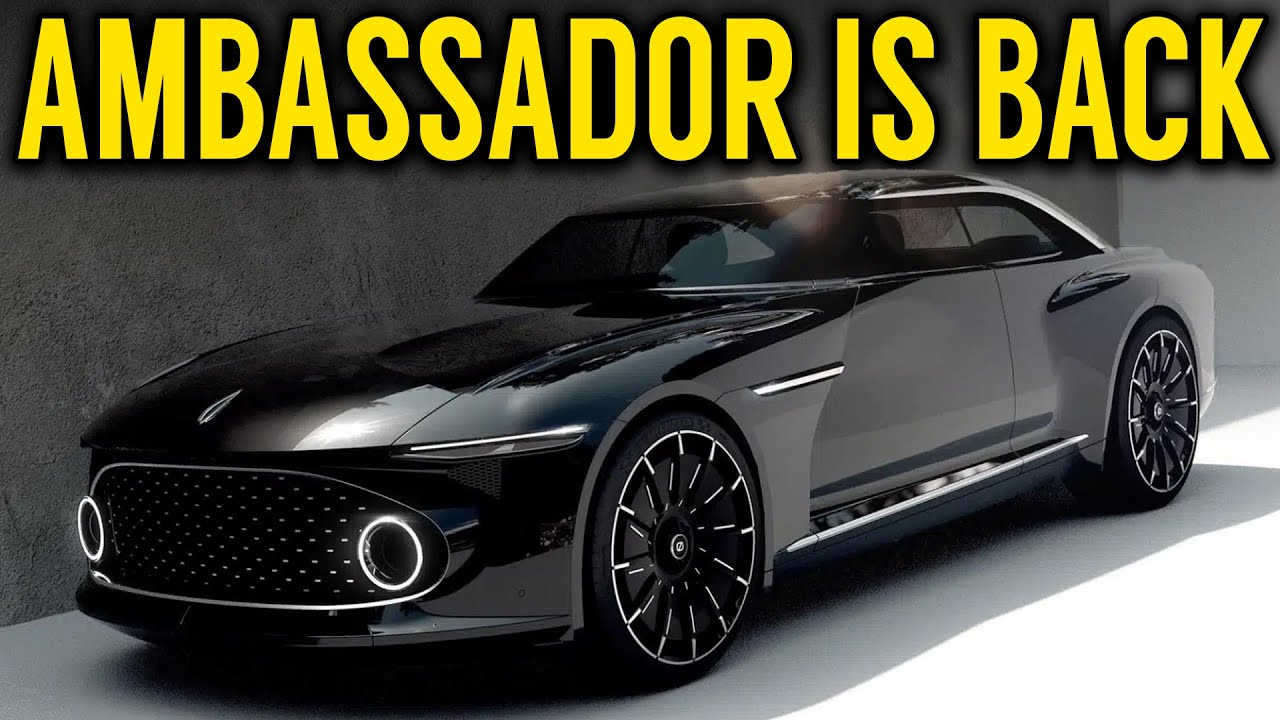
As we all know, this four-wheeler had a very simple and classic design, but now in this new avatar, it will be launched with a classic design and retro finish, which will look much more attractive and appealing than before. It will also feature premium interior features along with a premium design.
Speaking of performance, this four-wheeler is backed by a 60kwh lithium-ion battery, which enables it to cover a distance of 300 to 400 kilometers on a single charge. It also comes with a heavy-performance electric motor, which helps it reach a top speed of 180 kilometers per hour.
Let us tell you that the ex-showroom price of this four-wheeler vehicle starts from around Rs 7 lakh in the Indian market and goes up to around Rs 15 lakh for the top variant and you can also buy it by paying a minimum down payment and by financing the remaining amount and if you want to buy this vehicle, then for your information, let us tell you that till now this vehicle is not available for purchase, only discussions are going on about it and no information is hundred percent true.
The Ambassador’s Glorious History: The King’s Ride
The Hindustan Ambassador’s story dates back to the British era. Originally based on the Morris Oxford Series III, the car was manufactured by Morris Motors of Britain in 1956. Hindustan Motors, part of the Birla Group, acquired the rights in the 1950s and began production in India in 1957. Initially, it came in the Mark I variant, powered by a 1.5-liter side-valve engine. Gradually, it evolved into the Mark II, III, and IV variants, but the design remained unchanged.
The Ambassador’s popularity in India was due to its robustness and spaciousness. It became the preferred choice of government officials, politicians, and taxi drivers. The yellow Ambassador taxis on the streets of Kolkata are still a nostalgia factor. In the 1980s, when smaller cars like the Maruti 800 arrived, the Ambassador suffered a setback, but it continued to sell well. In total, millions of units were produced over 57 years, making it one of the world’s longest-running cars without a major change.
Culturally, the Ambassador was an icon. It featured everywhere, from Bollywood films to the Top Gear show, where it was called the world’s best taxi. But production ceased in 2014. The reasons were poor fuel economy, stringent emission standards (BS IV), and new competition. Ambassador taxis were banned in 11 cities, such as Delhi. In 2017, Stellantis (formerly Groupe PSA) bought the brand rights for Rs 80 crore, raising hopes of a revival.
Conclusion: The Beginning of a New Journey
The Ambassador EV is not just a car, but a symbol of the rebirth of the Indian auto industry. By combining nostalgia with modern technology, it will pass on its legacy to a new generation. If launched in 2026, it will rule the roads like the old Ambassador, but in a silent and green manner. Are you looking forward to buying one? Time will tell, but the excitement is palpable. The Ambassador is returning—as the electric king!
Also Read – Bajaj’s amazing 373cc cruiser: Fiery power, stylish avatar and a massive mileage of 45kmpl!